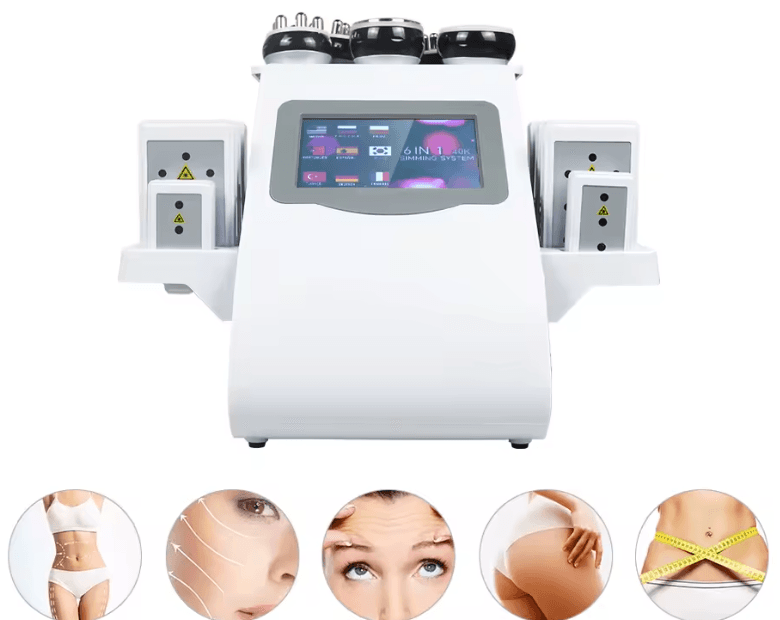
Ultrasonic cavitation has become one of the most popular non-invasive body contouring treatments available today. It offers a way to reduce stubborn fat, improve body shape, and tighten skin without surgery, needles, or downtime.
If you’ve been researching cavitation, you’ve probably asked questions like:
• Does cavitation actually work?
• Are cavitation machines safe?
• How long do cavitation results last?
• Is it better to go to a clinic or use a home machine?
This guide explains everything you need to know about cavitation machines, how they work, what results to expect, and how to choose the right device.
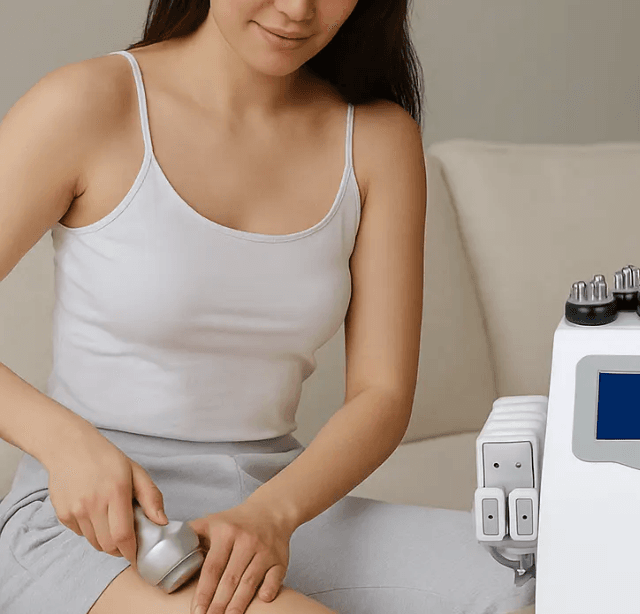
What Is Ultrasonic Cavitation?
Ultrasonic cavitation is a non-surgical cosmetic treatment that uses low-frequency sound waves to break down fat cells beneath the skin. These sound waves create microscopic bubbles within fat tissue. The pressure from these bubbles causes fat cells to break apart, releasing fatty acids that the body gradually processes and removes through the lymphatic system.
Cavitation treatments are commonly used on areas such as:
• abdomen
• thighs
• hips
• arms
• love handles
Unlike surgical procedures, cavitation treatments require no incisions and no recovery time.
Do Cavitation Machines Actually Work?
Many people are surprised to learn that cavitation technology has been used in professional body contouring treatments for years.
When performed consistently, cavitation can help:
• reduce localized fat deposits
• improve body contour and shape
• support skin tightening when combined with radio frequency
• stimulate circulation and lymphatic drainage
Most people see gradual improvements over a series of treatments rather than immediate dramatic changes.
For a deeper explanation, read: Does Ultrasonic Cavitation Actually Work?
Cavitation Before and After Results
Cavitation treatments typically work gradually across multiple sessions. Visible improvements depend on the treatment area, lifestyle habits, and consistency.
Typical treatment progression may look like this:
- After 1–3 sessions – Mild contour changes and reduced bloating.
- After 4–6 sessions – More noticeable reduction in stubborn fat areas.
- After 8–12 sessions – Improved body contour and smoother skin appearance.
Hydration, exercise, and healthy nutrition can help maximize these results.
Learn more in: Cavitation Before and After Results: What to Expect from Ultrasonic Fat Reduction
How Long Do Cavitation Results Last?
Fat cells treated during cavitation are permanently disrupted. However, maintaining results depends on lifestyle habits.
Results can last months or even years when supported by:
• regular physical activity
• balanced nutrition
• stable body weight
• occasional maintenance treatments
Many people schedule maintenance sessions every 1–3 months to maintain their results.
Are Cavitation Treatments Safe?
When used correctly, cavitation is generally considered safe for healthy adults.
However, cavitation treatments should not be used by people who are:
• pregnant
• using pacemakers
• experiencing certain medical conditions affecting the liver or kidneys
As with any cosmetic treatment, it’s important to follow recommended usage guidelines.
For more details, see: Cavitation Machine Side Effects and Safety: What You Should Know Before Treatment
Cavitation Machines vs Clinic Treatments
Cavitation treatments are widely offered by body contouring clinics and medical spas.
Typical pricing ranges include:
• $100 – $150 for small treatment areas
• $150 – $300 for larger areas
• $1,000 – $3,000 for full treatment packages
Because multiple sessions are usually required, many people explore at-home cavitation machines as a more affordable option. These home cavitation devices allow users to perform treatments on their own schedule and maintain results over time.
Best Cavitation Machines for Home Use
Several types of cavitation machines are available depending on your goals and experience level. Purchase your cavitation machine at the lowest price directly through Tenacity Fitness (includes free shipping with tracking):
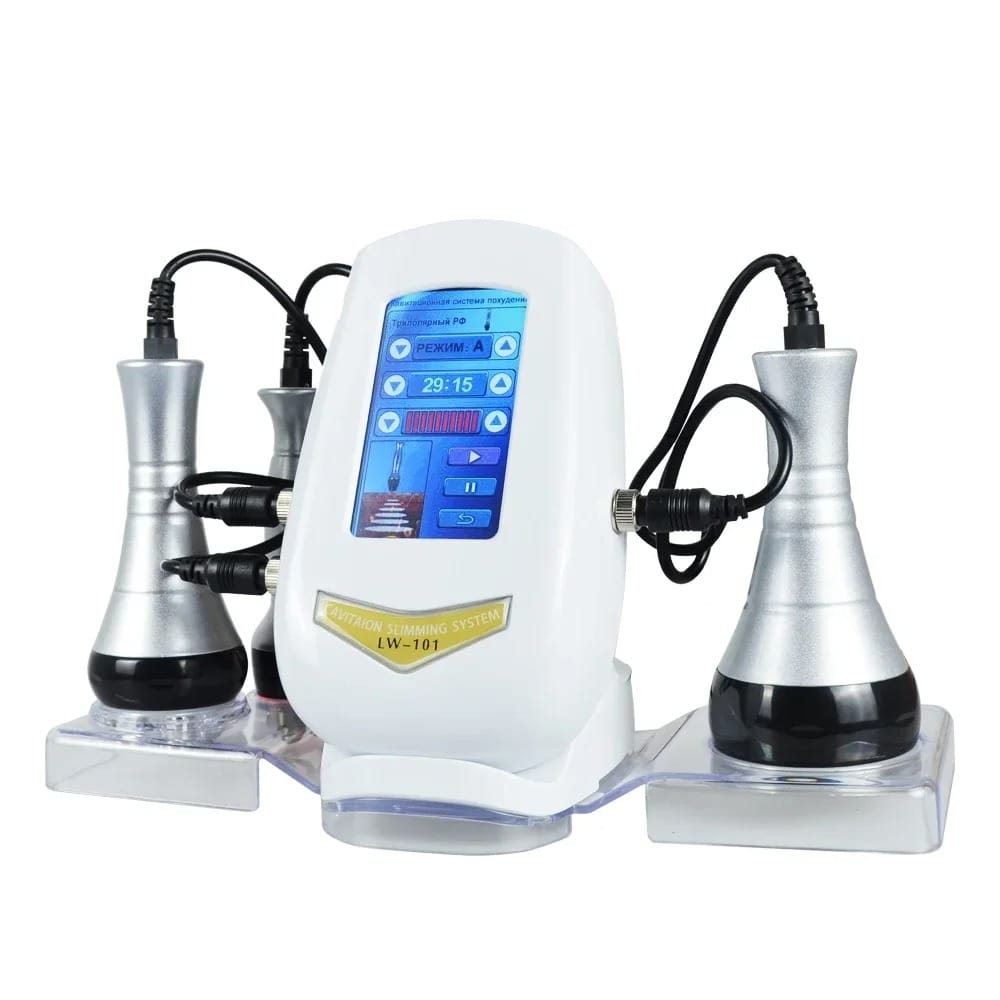
This beginner-friendly device combines ultrasonic cavitation with radio frequency and vacuum therapy. It’s a popular choice for people starting body contouring treatments at home.

The 6-in-1 model includes additional treatment heads for face and body, making it one of the most versatile and popular options.
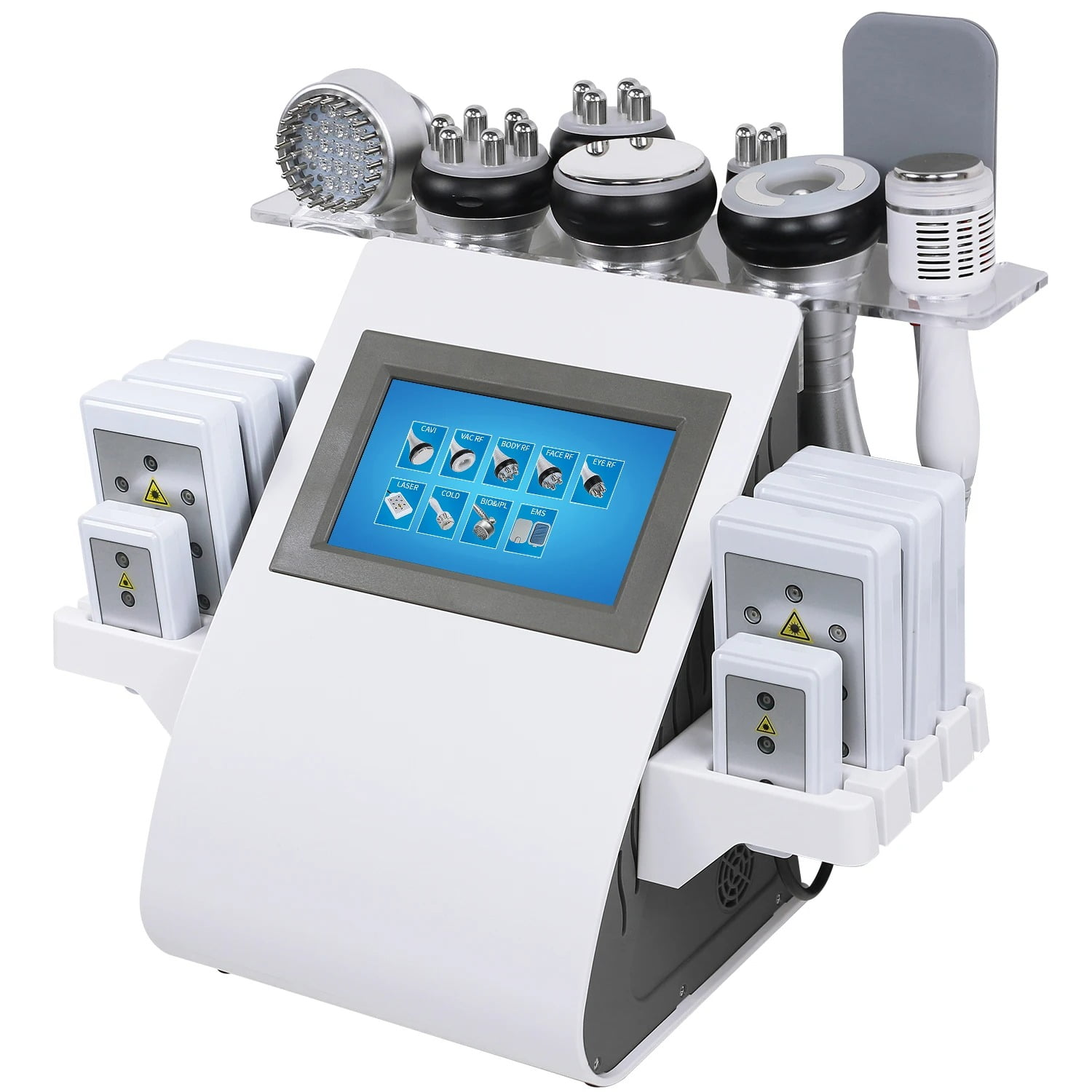
This 9-in-1 professional-grade cavitation system includes multiple body sculpting technologies designed for advanced users or aesthetic businesses.
How Often Can You Use Cavitation Machines?
Most cavitation treatments should be spaced 72 hours apart. This allows the body time to process the fat released during treatment.
Typical treatment plans include:
• 8–12 sessions per treatment area
• treatments spaced every 3 days
• occasional maintenance sessions
Spacing treatments properly helps maximize results while allowing the body to recover.
Common Cavitation Machine Issues
Like any professional device, cavitation machines may require simple adjustments during setup.
Common issues include:
• vacuum suction not activating
• cavitation head not vibrating
• RF heads not heating
Most of these problems are related to settings or connections and can be easily resolved. For step-by-step solutions see: Cavitation Machine Troubleshooting: Common Issues and Easy Fixes
Final Thoughts
Ultrasonic cavitation has become one of the most popular non-invasive body contouring technologies available today. By breaking down fat cells using ultrasonic energy, cavitation treatments can help improve body shape without surgery or downtime.
Whether performed in a clinic or using a professional-style machine at home, cavitation can be an effective option for people looking to reduce stubborn fat and enhance their body contour.
Understanding how cavitation works, following recommended treatment guidelines, and maintaining healthy lifestyle habits will help you achieve the best possible results.
Related Articles
- Cavitation Machine Troubleshooting: Common Issues and Easy Fixes
- Best Cavitation Machines for Home Use (2026 Guide)
- Cavitation vs Radio Frequency: What’s the Difference?
- 3-in-1 vs 6-in-1 vs 9-in-1 Cavitation Machines