
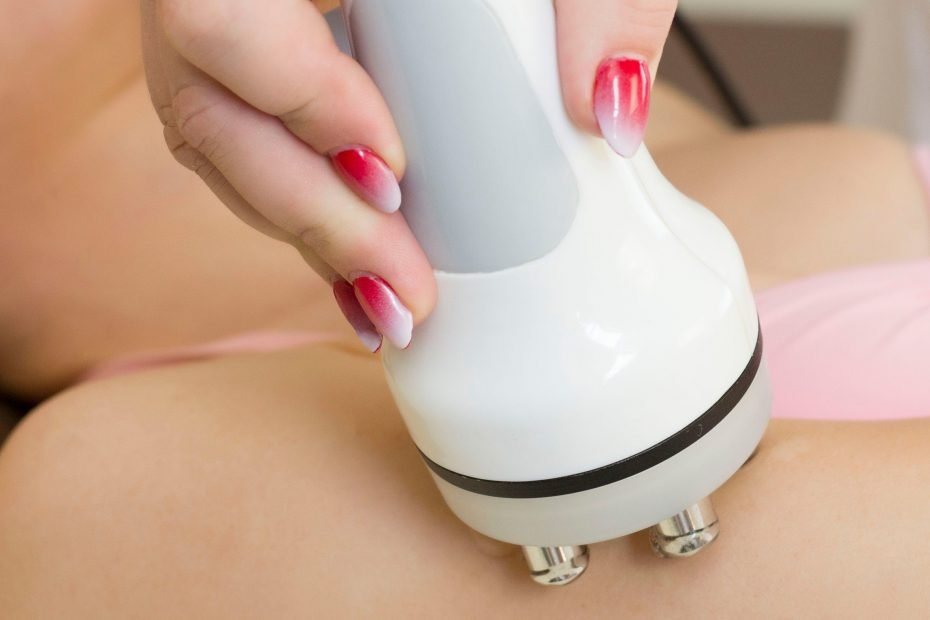
Ultrasonic cavitation is widely used for non-invasive body contouring and fat reduction. The treatment is popular in spas and aesthetic clinics and is increasingly available through home-use devices. While cavitation treatments are generally considered safe when used correctly, it is important to understand possible cavitation machine side effects before beginning treatments.
Understanding cavitation machine side-effects is important for anyone considering ultrasonic cavitation treatments at home or in a professional setting. This guide explains what to expect and how to use cavitation machines responsibly.
What Happens During Cavitation?
Cavitation machines use low-frequency ultrasound waves to target fat cells beneath the skin. These sound waves create pressure that disrupts fat cell membranes. The body then processes the contents of these cells naturally through the lymphatic system. Because the treatment is non-invasive, it does not involve surgery, needles, or downtime.
Common Temporary Side Effects
Most people experience little to no discomfort during treatment. However, some temporary effects can occur.
Mild Redness
The skin may appear slightly red immediately after treatment. This usually fades within a few hours.
Warm Sensation
Because many cavitation machines include radio frequency treatments, the skin may feel warm during or after the session.
Tingling or Ringing in the Ears
Some people notice a temporary ringing sound during cavitation treatments. This is caused by ultrasonic frequencies and typically disappears immediately after treatment.
Mild Tenderness
The treated area may feel slightly sensitive for a short period.
Rare Side Effects
Serious complications from cavitation are uncommon when devices are used properly. However, misuse of any aesthetic device could potentially cause:
• skin irritation
• bruising from vacuum therapy
• excessive heat from RF treatments
These effects are typically associated with improper use or low quality devices. Following manufacturer guidelines helps reduce these risks.
Who Should Avoid Cavitation Treatments?
Cavitation is not recommended for individuals who:
• are pregnant
• have pacemakers or metal implants
• have certain medical conditions
• are under medical supervision for serious illness
If you are unsure whether cavitation is appropriate, consult a qualified professional.
Tips to Reduce Cavitation Side Effects
To ensure safe treatments:
• stay hydrated before and after sessions
• avoid treating the same area too frequently
• follow recommended treatment times
• keep the probe moving during treatments
These steps help support both safety and results.
Choosing a Safe Cavitation Machine
Using a reliable cavitation machine designed for home use can help ensure treatments are safe, comfortable, and easy to perform.
Popular options include:
• 3-in-1 Cavitation Machine – ideal for beginners learning proper technique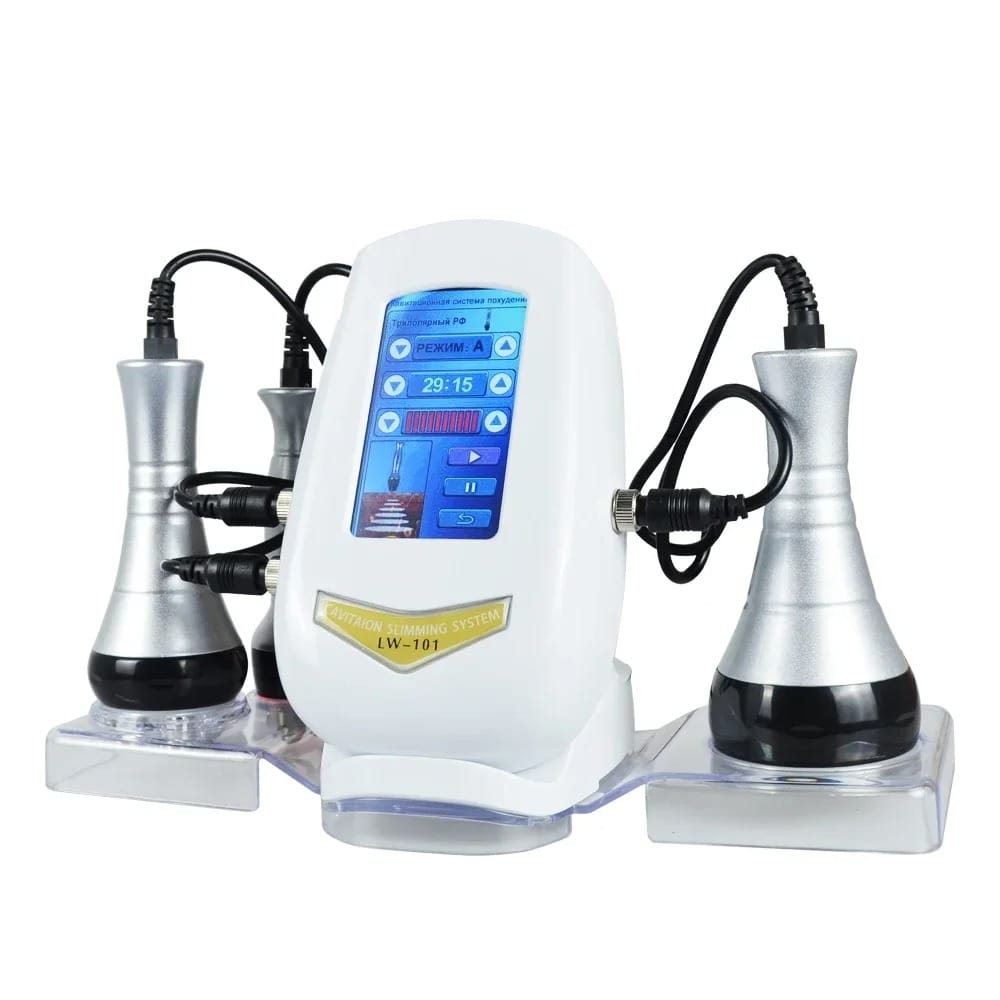
• 4-in-1 Cavitation Machine – offers extra treatment handle and budget-friendly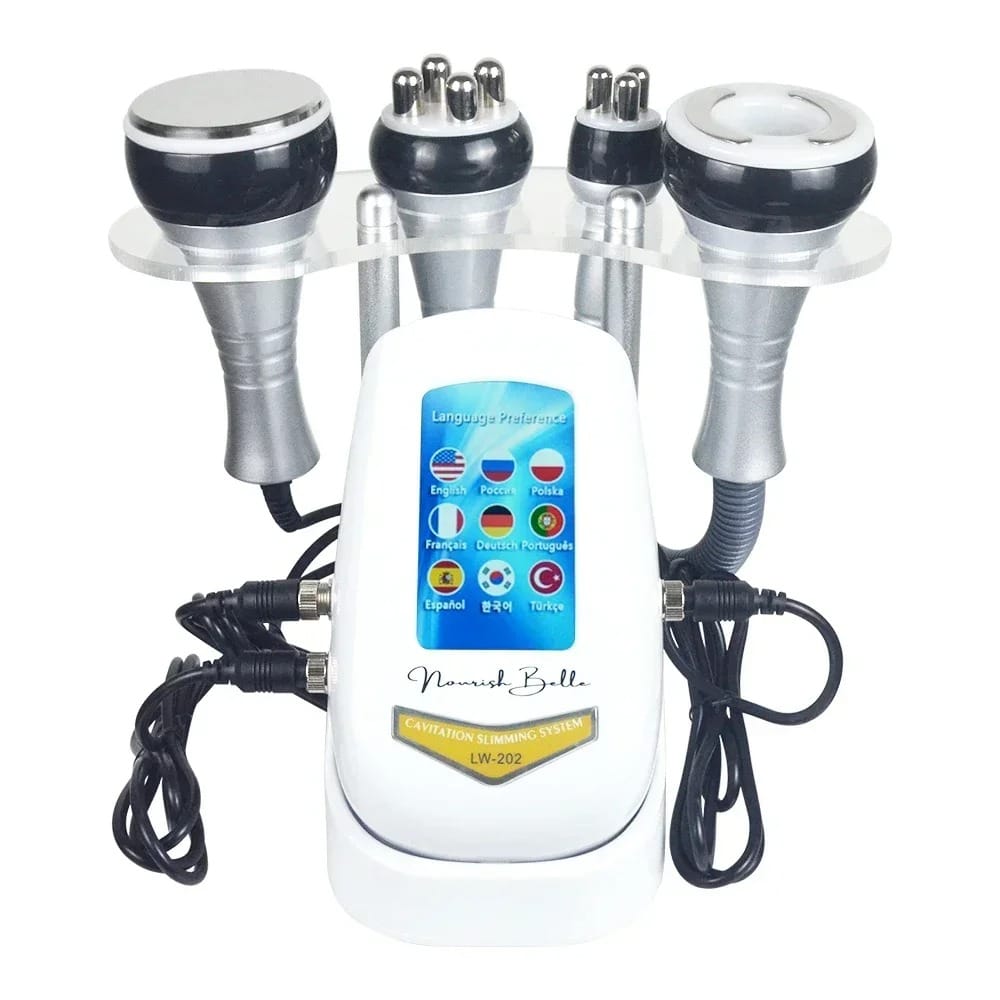
• 6-in-1 Cavitation Machine – the most popular balanced option for home use
• 9-in-1 Cavitation Machine – advanced system for professional-style treatments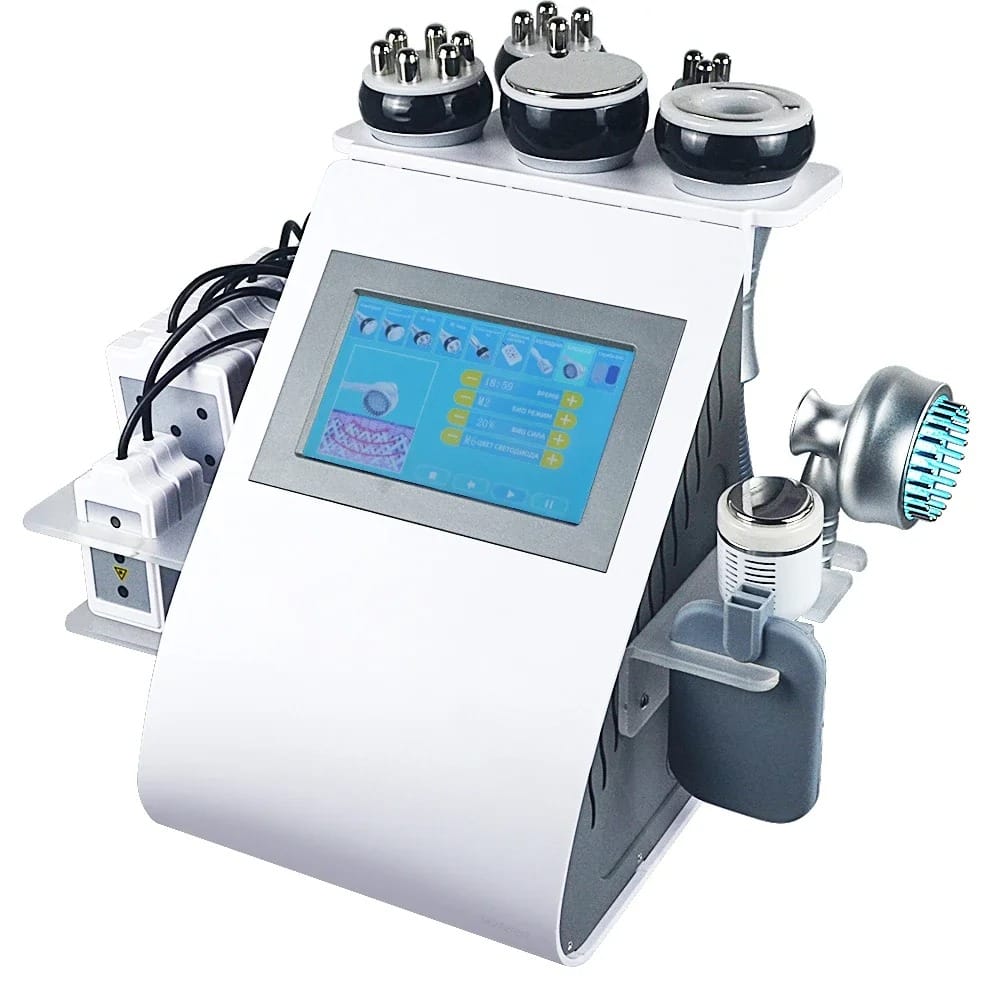
Explore these options to choose a device that matches your experience level and goals.
Want to Learn More?
Read our guide:
How to Use a Cavitation Machine at Home Safely
Disclaimer
Cavitation devices are intended for cosmetic body contouring. Results vary by individual and devices should always be used according to manufacturer guidelines.