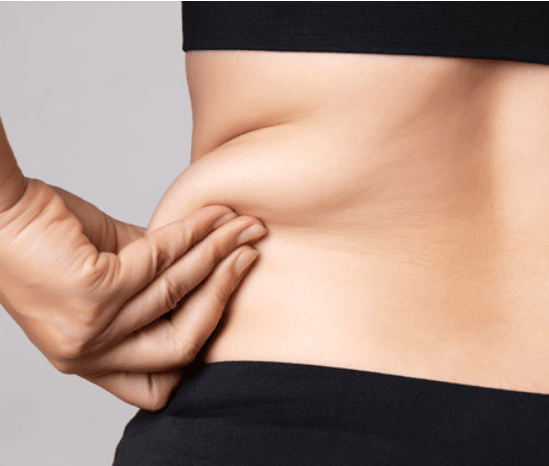
Understanding the Difference Between Cavitation and Liposuction
Both cavitation and liposuction are used to reduce stubborn fat deposits. However, the two procedures work in very different ways.
Liposuction is a surgical procedure that physically removes fat through small incisions in the body. Cavitation, on the other hand, is a non-invasive treatment that uses ultrasound energy to disrupt fat cells beneath the skin.
Because cavitation does not require surgery, anesthesia, or recovery time, it has become an increasingly popular option for body contouring.
How Liposuction Works
Liposuction is a surgical fat removal procedure performed by a surgeon who inserts a small tube (cannula) through incisions in the skin. Fat is then suctioned out of the treatment area.
Typical characteristics of liposuction include:
• Surgical procedure
• Anesthesia required
• Several weeks of recovery
• Higher cost
While liposuction can remove larger amounts of fat, it also involves greater risks and downtime.
Pros of Liposuction
- Significant fat removal in one procedure
- Permanent removal of fat cells
- dramatic body contouring results
Cons of Liposuction
- Expensive (often several thousand dollars)
- Surgical risks and downtime
- Swelling and bruising during recovery
- Recovery likely requires time off work and significant rest
- Cannot be performed at home
How Cavitation Works
Ultrasonic cavitation is a non-invasive body contouring treatment that uses low-frequency ultrasound waves to break down fat cells beneath the skin. The disrupted fat is gradually processed by the body’s lymphatic system.
Cavitation treatments are typically used for:
• Stomach
• Thighs
• Arms
• Love handles
• Waistline
Because cavitation is non-invasive, sessions are usually quick and require little to no recovery time. Treatment can also be performed safely at home. The best home cavitation machines include:
- 3-in-1 cavitation machine (best for beginners)
- 6-in-1 cavitation machine (most popular)
- 9-in-1 cavitation machine (experienced and professional users)
These devices combine cavitation with radio frequency and vacuum therapy for additional body contouring support.
Pros of Ultrasonic Cavitation Machines
- Completely non-invasive
- No downtime or recovery period
- Significantly more affordable than surgery
- Can be performed at home with the right devices
Cons of Cavitation
- Results appear gradually over multiple sessions
- Less dramatic fat removal than surgical procedures
- Requires consistency for best results
Cavitation vs Liposuction: Key Differences
Feature
Procedure type
Recovery time
Cost
Result speed
Risk level
Cavitation
Non-invasive
None
Low
Gradual
Low
Liposuction
Surgical
Several weeks
Very high
Immediate
Higher
For people looking for gradual body contouring without surgery, cavitation can be an appealing option.
Cost Comparison
One of the biggest differences between the two options is cost.
Liposuction procedures typically cost between $3,000 and $8,000 or more depending on the treatment area.
Cavitation treatments at clinics usually cost $100–$300 per session, with multiple sessions recommended.
Some people choose to purchase their own device instead, and I have listed the top three cavitation devices. Simply pick the one that best suits your experience and needs:
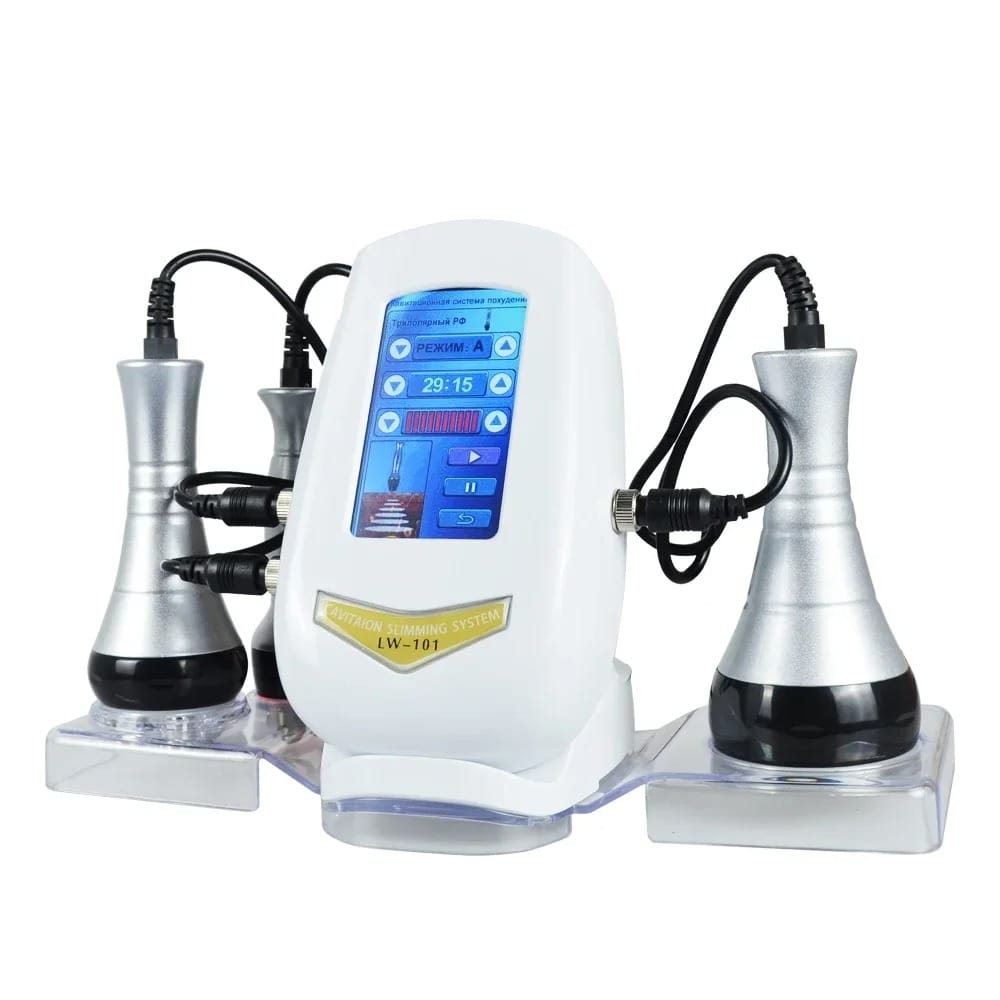

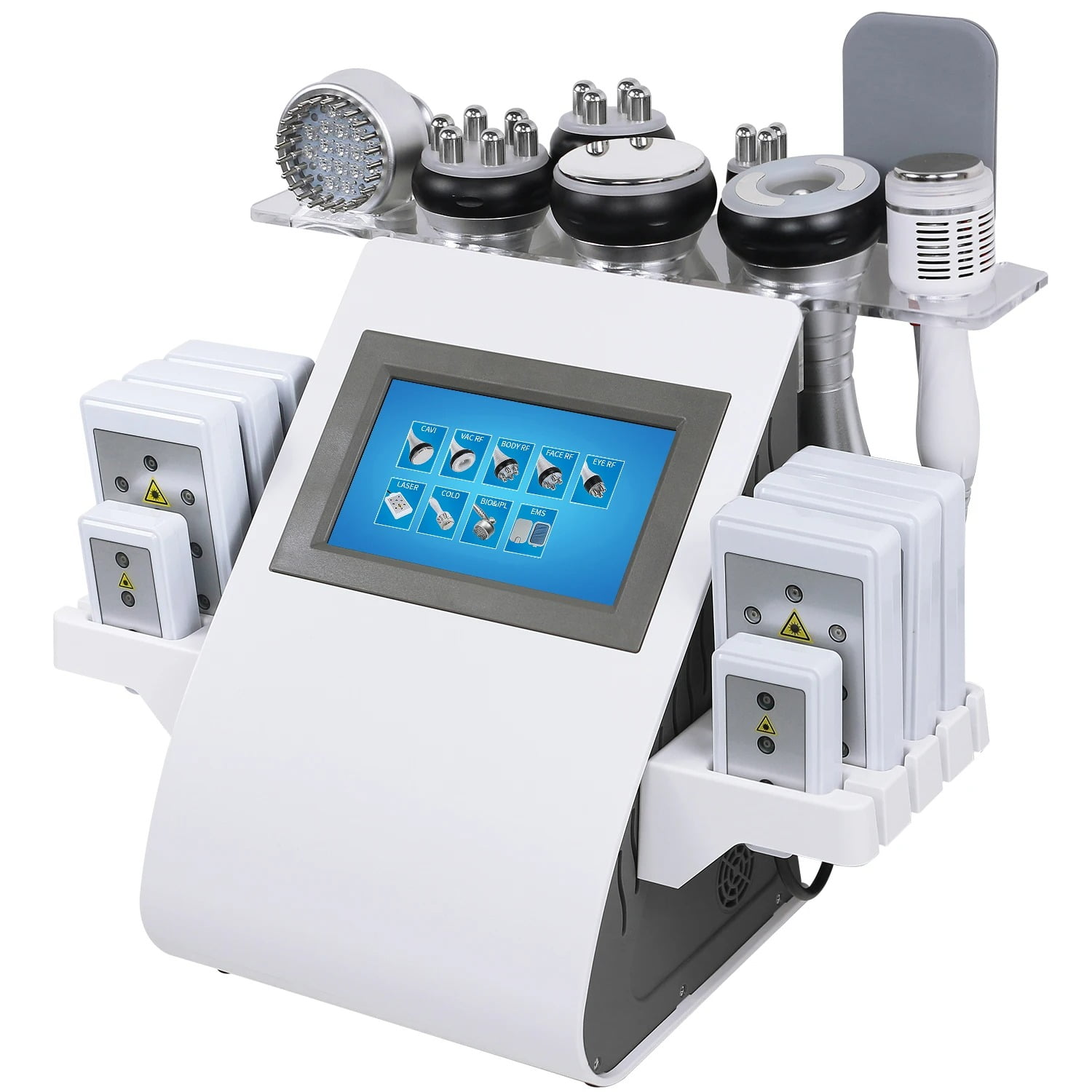
This allows users to perform treatments at home.
Who is a Good Candidate for Cavitation?
Caviation works best for people who:
- Are close to their ideal weight
- Want to reduce small stubborn fat areas
- Prefer non-surgical treatments
- Want safe, gradual body sculpting improvements
Cavitation treatment is considered a body contouring method.
Final Thoughts
Both cavitation and liposuction aim to reduce stubborn fat deposits, but they differ significantly in terms of invasiveness, cost, and recovery time.
For individuals looking for a less aggressive, non-invasive body contouring option, cavitation machines can provide a convenient way to perform treatments at home while supporting long-term body sculpting goals.