
Non-invasive fat reduction treatments have become extremely popular in recent years. Two of the most widely discussed options are ultrasonic cavitation vs CoolSculpting. Both treatments aim to reduce stubborn fat areas without surgery, but they use very different technologies.
Cavitation and cool sculpting are commonly used for body contouring and fat reduction, but they differ significantly in cost, accessibility, and treatment experience. Many people researching fat reduction treatments are primarily looking for non-invasive options that are affordable, convenient, and do not require clinic visits. This is where cavitation has become increasingly popular, especially with the availability of at-home devices.
What Is Cavitation?
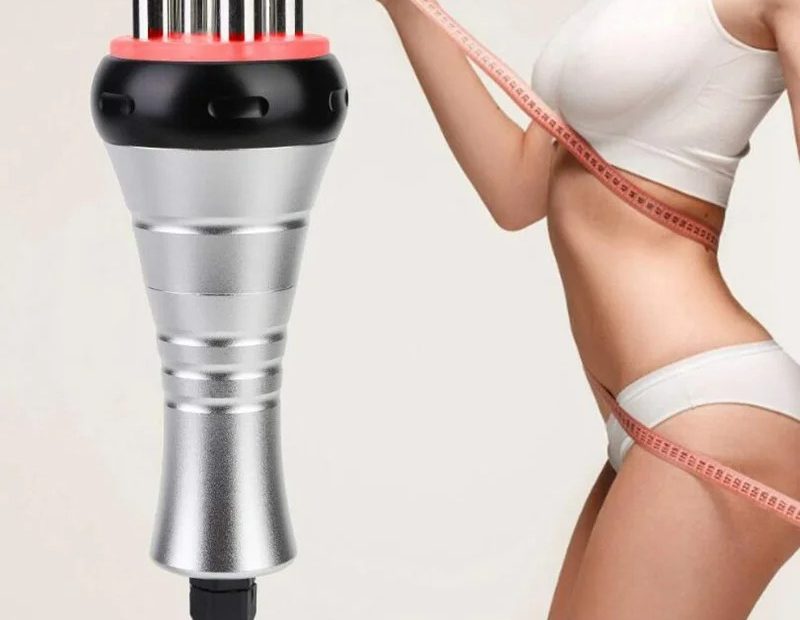
Cavitation treatments use low-frequency ultrasonic waves to disrupt fat cells beneath the skin. The body then processes these fat cells naturally through the lymphatic system.
Cavitation is commonly used for:
• Body contouring
• Reduction of stubborn fat pockets
• Improving skin appearance
Treatments are often performed in spas, aesthetic clinics, or with home-use devices.
What Is CoolSculpting?
CoolSculpting is a medical treatment that uses controlled cooling to freeze fat cells. Once frozen, the fat cells break down and are gradually eliminated by the body. CoolSculpting treatments are typically performed in medical offices or specialized clinics.
Key Differences
Cost
CoolSculpting treatments are significantly more expensive. A single session can cost hundreds or even thousands of dollars. Cavitation treatments are generally far more affordable, especially when using a home device.
Accessibility
CoolSculpting must be performed by trained professionals in clinical settings. Cavitation machines are available for both professional and home use.
Treatment Frequency
CoolSculpting treatments are usually spaced several weeks apart. Cavitation treatments can often be performed once or twice per week.
Which Treatment Is Better?
Both treatments can be effective depending on goals and budget. CoolSculpting is typically used in clinical settings for more aggressive fat reduction under professional supervision. Cavitation, on the other hand, is widely chosen for its affordability, convenience, and ability to be performed at home using modern cavitation machines.
For many users, cavitation offers a more accessible and flexible long-term body contouring option.
Cavitation Machines for Home Use
For those interested in at-home treatments, cavitation machines provide a convenient alternative to clinical procedures.
Popular options include:
• 3-in-1 Cavitation Machine – ideal for beginners starting at-home treatments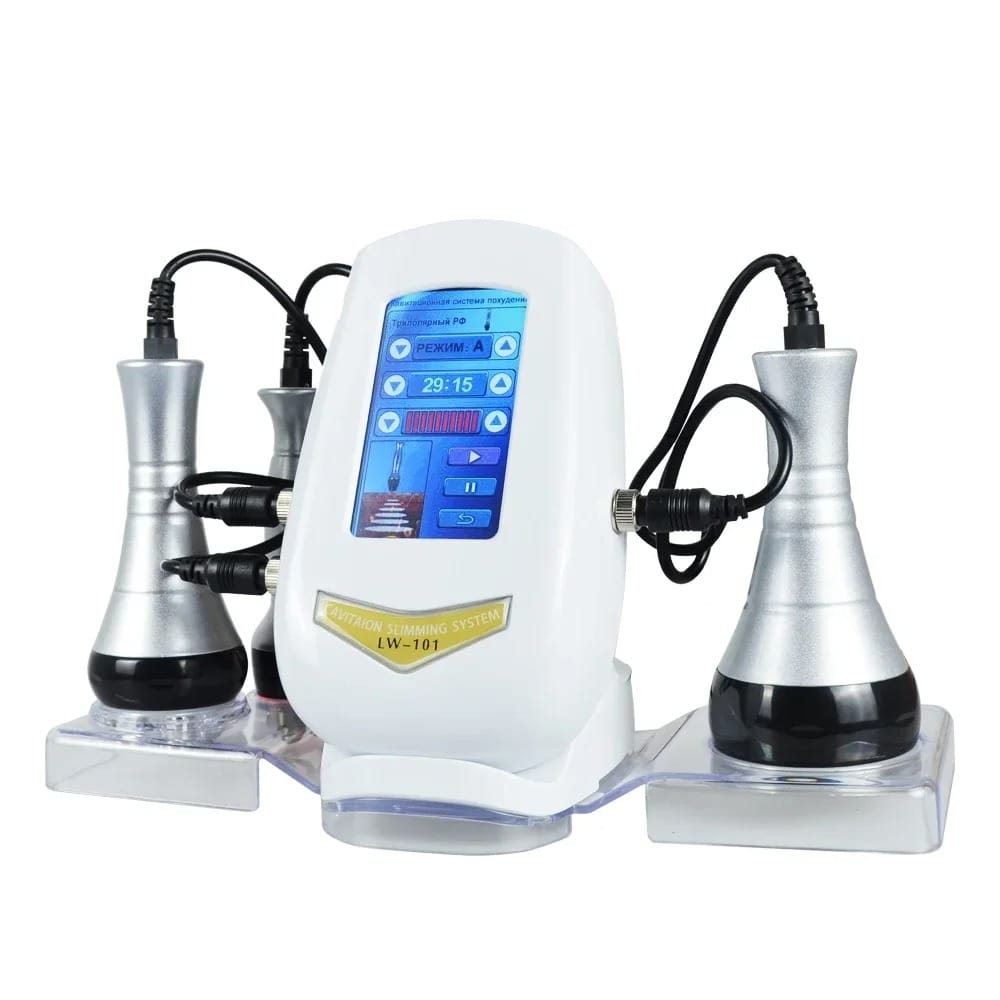
• 4-in-1 Cavitation Machine – upgraded option with added treatment functionality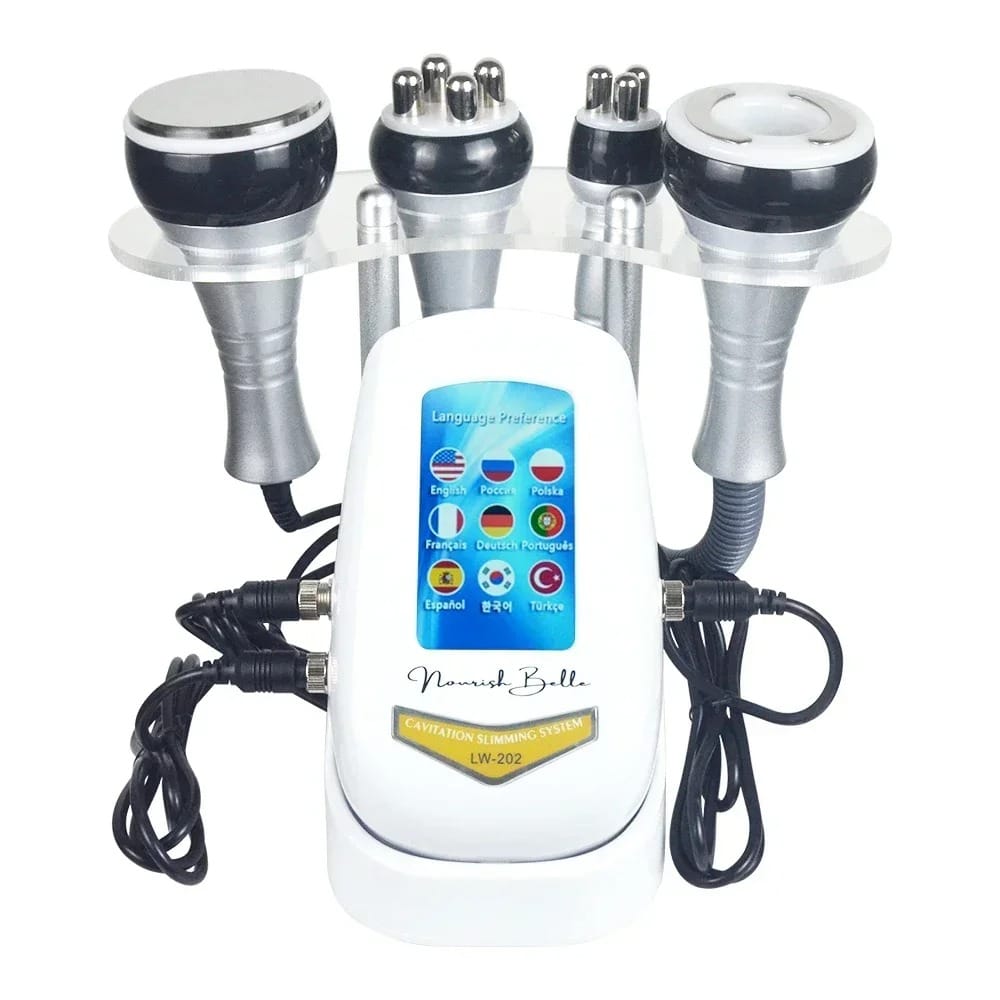
• 6-in-1 Cavitation Machine – most popular choice for versatility and balanced performance
• 9-in-1 Cavitation Machine – advanced system for full body sculpting treatments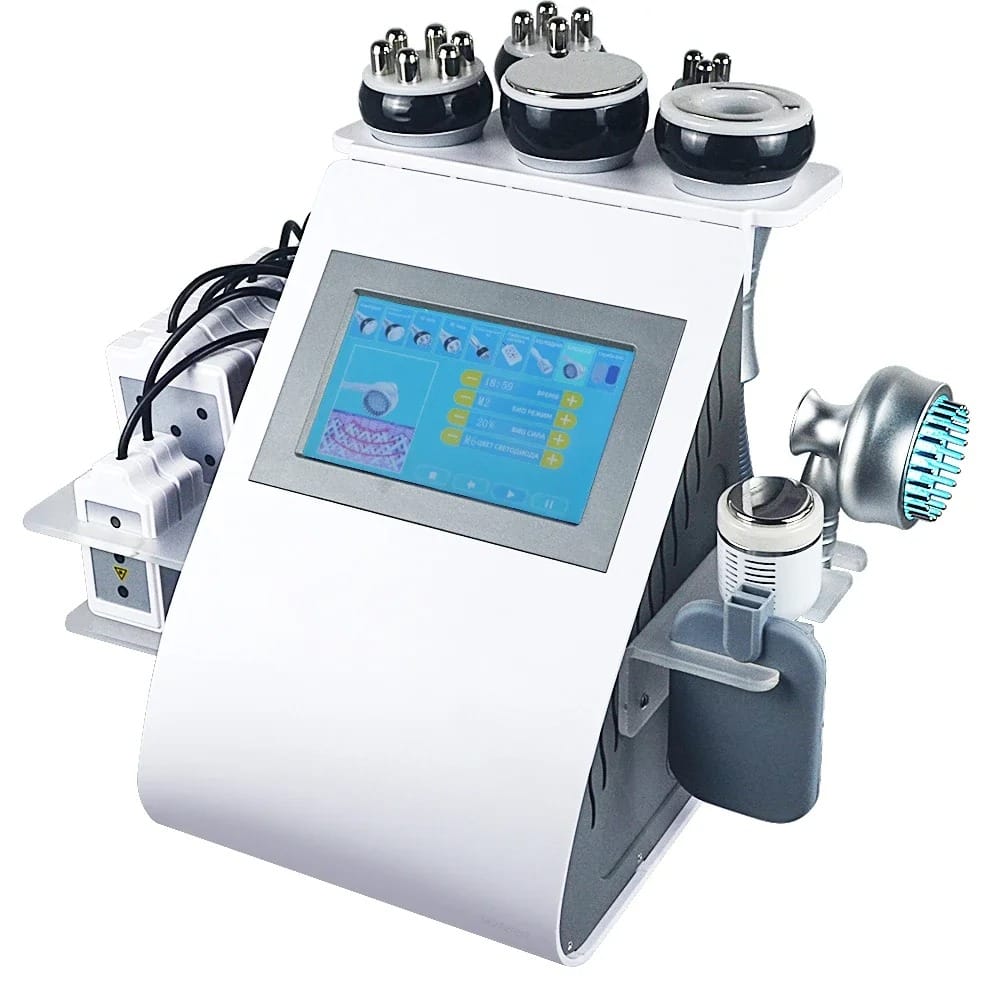
Explore these cavitation options to find the best fit for your goals.
Related Guide
If you’re considering at-home treatments, read:
How to Use a Cavitation Machine at Home Safely
Disclaimer
Cavitation devices are intended for cosmetic body contouring. Results vary by individual and devices should always be used according to manufacturer guidelines.
Related Articles
- Does Ultrasonic Cavitation Actually Work?
- 3-in-1 vs 6-in-1 vs 9-in-1 Cavitation Machines
- How to Use a Cavitation Machine at Home Safely
- Cavitation vs Radio Frequency: What’s the Difference?