

By Caroline Gladwin, Certified Women’s Personal Trainer & Health Coach
As women move through their 40s, 50s and beyond, their health priorities often begin to change. Maintaining a healthy heart, supporting brain function, staying active and protecting long-term wellbeing can become increasingly important during perimenopause, menopause and healthy aging.
Alongside strength training, balanced nutrition, good sleep and regular movement, many women begin looking more closely at the nutrients they consume each day. Omega-3 fatty acids – particularly EPA and DHA – are among the nutrients most frequently discussed in connection with heart, brain and overall health. But what do omega-3s actually do, and should women over 40 consider taking a fish-oil supplement?
As a female A.C.E.-Certified Personal Trainer and Health Coach who has worked with women for more than 20 years, I believe supplements should complement a healthy lifestyle, not replace one. Here is what women should know before adding omega-3 to their routine, along with the omega-3 benefits for women over 40.
What Are Omega-3 Fatty Acids?
Omega-3 fatty acids are a family of essential fats found in certain foods and dietary supplements. The three omega-3s you will most commonly encounter are:
- – ALA – alpha-linolenic acid: Found mainly in plant foods such as chia seeds, flaxseed and walnuts.
- – EPA – eicosapentaenoic acid: Found primarily in fish, seafood and marine-oil supplements.
- – DHA – docosahexaenoic acid: Also found primarily in fish, seafood and marine-oil supplements.
The body can convert a small amount of ALA into EPA and DHA, but that conversion is limited. For women specifically looking to increase their intake of EPA and DHA, oily fish or a supplement containing clearly listed amounts of EPA and DHA offers a more direct source.
Why Are Omega-3s Important for Women Over 40?
Your 40s can bring significant changes. For many women, this period overlaps with perimenopause – the transitional years leading to menopause. Hormone levels fluctuate, body composition can change and priorities surrounding long-term cardiovascular health, cognitive wellbeing, strength and healthy aging often become more important.
Omega-3 is not a treatment for perimenopause or menopause. However, EPA and DHA are important nutrients that play roles throughout the body, which is why many women choose to include omega-3-rich foods or fish-oil supplements as part of their overall wellness routine.
For women who want to stay strong and active as they age, omega-3 should be viewed as one part of the bigger picture alongside:
- Regular strength training
- Cardiovascular exercise and daily movement
- Adequate protein
- A varied, nutrient-rich diet
- Quality sleep
- Stress management
- Appropriate medical care and screenings
A Trainer’s Perspective
One of the biggest changes I’ve noticed through years of training women is that midlife is when many women start thinking less about simply being slimmer and more about being strong, healthy and capable for the decades ahead. That shift matters.
The goal shouldn’t simply be to weigh what you weighed at 25. I want women to maintain muscle, remain active, protect their independence, feel confident in their bodies and continue doing the things they enjoy. Nutrition and supplementation can support that bigger goal, but they should sit alongside exercise and healthy habits rather than replacing them.
Omega-3 and Heart Health
Heart health becomes increasingly important as women age. Omega-3 fatty acids have been studied extensively in relation to cardiovascular health, particularly EPA and DHA.
Eating fish and seafood can form part of a balanced, heart-conscious diet. Research has also shown that EPA and DHA can lower triglyceride levels at sufficient intakes, although the amounts used therapeutically can be considerably higher than those provided by an ordinary everyday fish-oil supplement.
This distinction matters. A standard omega-3 supplement should not be presented as a treatment for high cholesterol, high triglycerides or cardiovascular disease. Instead, think of omega-3 as nutritional support that can complement the habits that have the greatest influence on long-term health.
Those include:
- – Regular cardiovascular exercise
- – Strength training
- – A balanced diet containing fiber and minimally processed foods
- – Appropriate medical screenings
- – Maintaining a healthy blood pressure
- – Not smoking
- – Following any treatment recommended by your physician
Omega-3 can complement those habits, but it does not replace them.
DHA and Normal Brain Function
DHA is an important structural component of the brain. This is one reason omega-3 intake is so frequently discussed in conversations about cognition and healthy aging.
Many women also become more conscious of concentration and memory during perimenopause, particularly if they are experiencing disrupted sleep, stress or the infamous feeling of walking into a room and completely forgetting why they went there!
Research into omega-3 supplementation and cognition continues, and fish oil should not be promoted as a cure for brain fog or a way to prevent cognitive decline. However, including omega-3 as part of a nutrient-rich diet can sit alongside other habits known to support overall wellbeing.
DHA and Eye Health
DHA is also highly concentrated in the retina of the eye. That makes omega-3 particularly interesting from a healthy vision-aging perspective. Researchers have studied omega-3 fatty acids in connection with several areas of eye health, although taking an ordinary fish-oil supplement should not be viewed as a treatment for an eye condition.
If you’re experiencing changes in your vision, persistent dry eyes or any other eye symptoms, speak with an optometrist, ophthalmologist or other qualified healthcare professional.
Omega-3 and an Active Lifestyle
Omega-3 is not a replacement for protein, strength training or appropriate recovery. It can, however, form part of a balanced nutritional routine for women who want to remain strong and active as they age.
Your body depends on dietary fats for numerous normal processes. Choosing healthy fat sources, including oily fish, nuts, seeds, avocado and olive oil, can help create a more balanced overall diet. For active women, Omega-3 can complement that diet.
Can Omega-3 Help With Menopause Symptoms?
This is one of the most common questions women ask me. Research has explored omega-3 supplementation in relation to mood, sleep, cognition, hot flashes and night sweats during menopause.
Current evidence is not strong enough to promise that omega-3 will relieve specific menopause symptoms, but some studies have shown that it has proven benefits. The more responsible way to view omega-3 is as a source of EPA and DHA that can support a balanced wellness routine.
Food or Fish-Oil Supplements: Which Is Better?
A food-first approach is generally preferable when it is practical. Fish and seafood provide omega-3 alongside protein and other nutrients. Fish naturally rich in EPA and DHA include:
- – Salmon
- – Sardines
- – Anchovies
- – Herring
- – Trout
- – Mackerel
However, not everyone eats oily fish regularly. Some women dislike the taste, do not prepare fish at home, or simply find it difficult to consume fish consistently. In those cases, a fish-oil supplement can provide a convenient and clearly measured source of EPA and DHA.
What Should You Look for in an Omega-3 Supplement?
The large number printed on the front of a bottle often refers to the total amount of fish oil, not necessarily the amount of EPA and DHA. Look at the Supplement Facts panel and check exactly how much EPA and DHA each softgel provides.
Fish-oil products vary considerably in their EPA and DHA content, so comparing only the total milligrams of fish oil can be misleading.
Also consider:
- – The serving size: Determine whether the listed EPA and DHA amounts apply to one softgel or several.
- – The suggested use: Follow the directions printed on the product label.
- – The source: Anyone with a fish allergy should avoid fish-oil products unless advised otherwise by a healthcare professional.
- – The ingredient list: Check the capsule ingredients as well as the source of the oil.
- – Your existing medications: Speak with your healthcare provider before starting a supplement if you take medication, are pregnant or nursing, or are managing a medical condition.
Tenacity Fitness Omega-3 Fish Oil for Women
At Tenacity Fitness, our women’s wellness collection has been created for women – by a certified female fitness and wellness professional – who want practical, straightforward products that complement an active, healthy lifestyle through perimenopause, menopause and beyond.
Our Omega-3 Fish Oil for Women provides a clearly measured source of EPA and DHA without complicated powders or preparation.
Each softgel provides:
- 1,000 mg Fish Oil Concentrate
- 180 mg EPA
- 120 mg DHA
Each bottle contains 100 softgels, providing a 50-day supply when taken according to the suggested use of one softgel twice daily with meals.
The fish oil is sourced from sardines and anchovies, and the supplement is manufactured in the USA in a cGMP-compliant facility.
Shop Tenacity Fitness Omega-3 Fish Oil for Women
Why I Chose This Formula
For me, transparency matters. I want women to be able to look at a supplement and understand exactly what they’re getting rather than being distracted by exaggerated promises.
Our Omega-3 formula clearly states the amount of fish oil, EPA and DHA in each softgel and provides a straightforward way for women who don’t regularly consume oily fish to incorporate EPA and DHA into their wellness routine.
Is Omega-3 Only for Women in Menopause?
No. Although our wellness collection has been created with women aged 35 and over in mind, omega-3 fatty acids are relevant throughout adulthood.
Women may choose an omega-3 supplement because:
- – They do not regularly eat oily fish
- – They want a convenient source of EPA and DHA
- – They are focused on heart and brain health
- – They want to support their nutrition while maintaining an active lifestyle
- – They are becoming more focused on long-term wellness
- – They are building a consistent healthy-aging routine
Perimenopause and menopause simply happen to be stages when many women begin thinking much more seriously about the health habits they want to carry into the next several decades. And that’s a good thing. It’s never too early – or too late – to become more proactive about your health.
Frequently Asked Questions
What is the difference between fish oil and omega-3?
Fish oil contains omega-3 fatty acids, primarily EPA and DHA. The amount of EPA and DHA varies between products, which is why the Supplement Facts panel matters more than the total fish-oil number alone.
What is the difference between EPA and DHA?
EPA and DHA are two long-chain omega-3 fatty acids found predominantly in fish and seafood. DHA is an important structural component of the brain and retina, while both EPA and DHA have been studied in relation to cardiovascular and general health.
Is plant-based omega-3 the same as fish oil?
Plant foods generally provide ALA rather than meaningful direct amounts of EPA and DHA. The body can convert ALA into EPA and DHA, but the conversion is limited. Fish and marine oils provide EPA and DHA directly.
Can omega-3 cure menopause symptoms?
Omega-3 cannot necessarily “cure” menopause symptoms, but some studies suggest it may be beneficial during menopause by supporting heart health, brain function, and joint comfort, and overall wellness in midlife.
When should I take Tenacity Fitness Omega-3?
According to the label directions, adults should take one softgel twice daily with meals, or as directed by a healthcare professional.
How long does one bottle last?
Each bottle contains 100 softgels. When taking two softgels daily, one bottle provides a 50-day supply.
Does Tenacity Fitness Omega-3 contain fish?
Yes. It contains fish oil sourced from sardines and anchovies.
Where is Tenacity Fitness Omega-3 manufactured?
Tenacity Fitness Omega-3 Fish Oil for Women is manufactured in the USA in a cGMP-compliant facility.
Supporting Your Health Through Every Stage of Life
No single supplement can replace the fundamentals of good health. Regular exercise, strength training, balanced nutrition, sleep, stress management and appropriate healthcare should remain the foundation of your wellness routine. For women who do not regularly eat oily fish, an omega-3 supplement can provide a straightforward and convenient source of EPA and DHA.
At Tenacity Fitness, my goal is to help women 35+ build strength, confidence and a healthier body through perimenopause and beyond, using fitness, nutrition and carefully selected wellness products as part of a realistic approach to long-term health.
Ready to Add Omega-3 to Your Wellness Routine?
Tenacity Fitness Omega-3 Fish Oil for Women provides 180 mg EPA and 120 mg DHA per softgel in a convenient 100-softgel bottle.
Shop Tenacity Fitness Omega-3 Fish Oil for Women 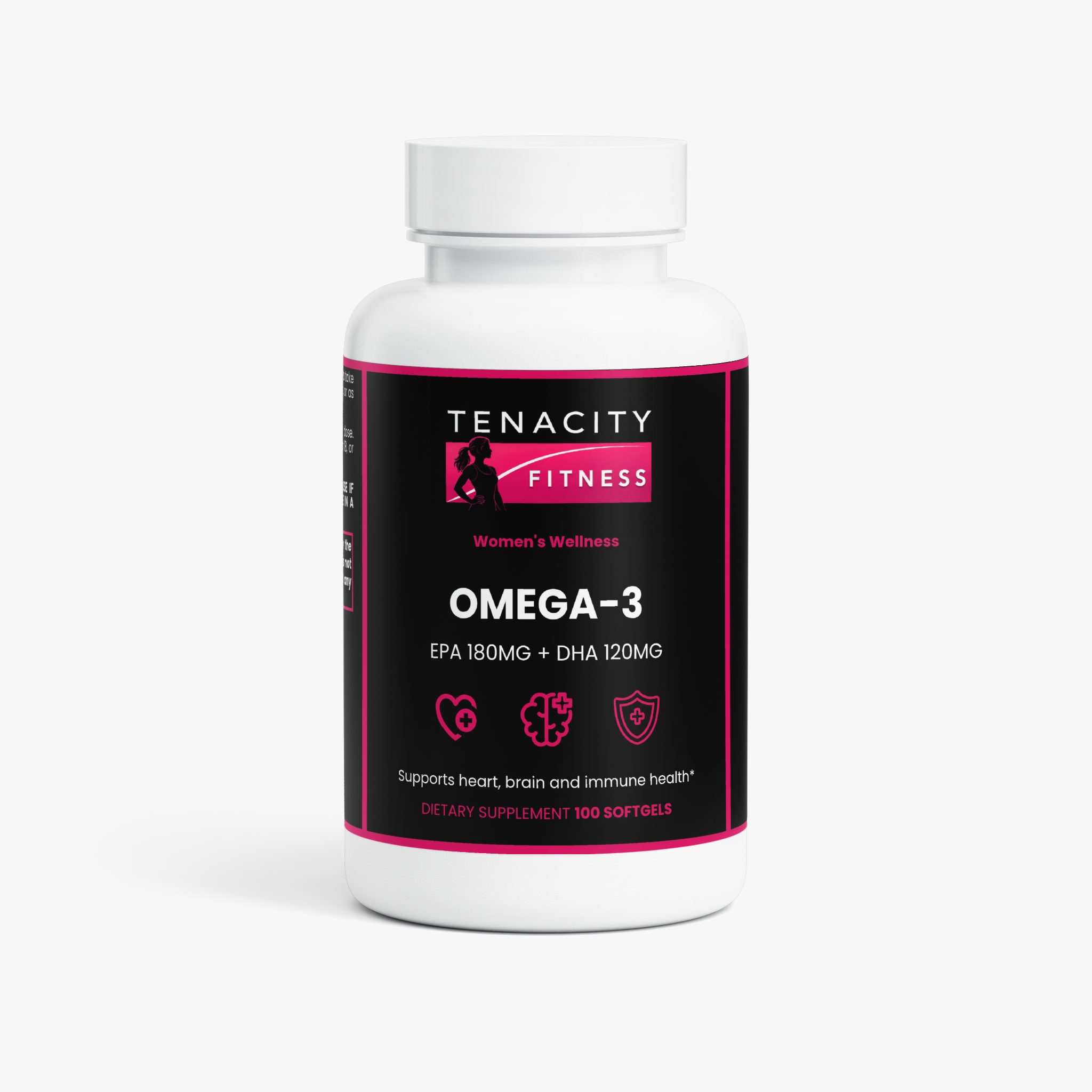
Disclaimer
*These statements have not been evaluated by the Food and Drug Administration. This product is not intended to diagnose, treat, cure or prevent any disease.
Sources & Further Reading
For factual information used in this article, see:
- National Institutes of Health, Office of Dietary Supplements — Omega-3 Fatty Acids Fact Sheet for Health Professionals
- National Institutes of Health, Office of Dietary Supplements — Omega-3 Fatty Acids Fact Sheet for Consumers
- U.S. Food & Drug Administration — Dietary Supplement Label Claims and Structure/Function Claims